The Cold Crown of a Radiator: A Thermal Diagnosis Before the Bleed Key
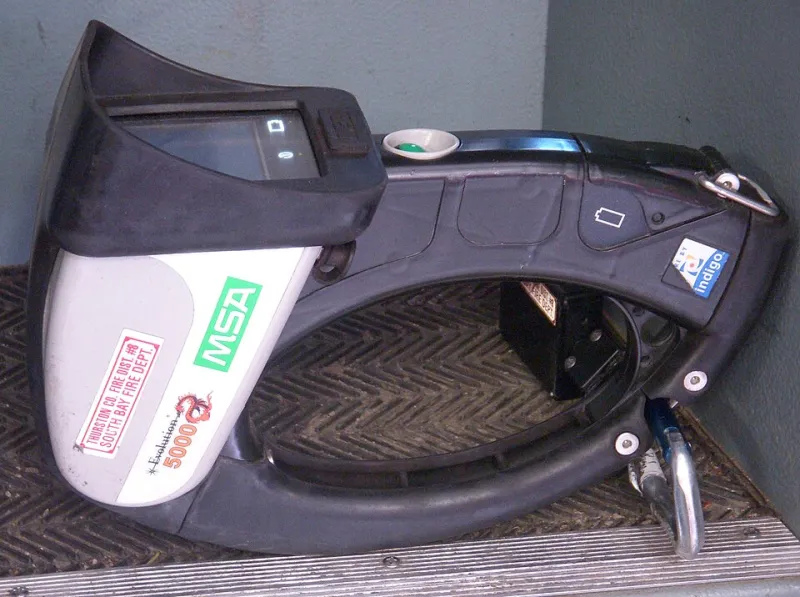
Photo: Jonathan Clemens (Jclemens (talk)), CC BY-SA 3.0, via Wikimedia Commons
Few heating symptoms invite a more confident DIY response than a radiator that is warm at the bottom and cool at the top. The instinct is understandable: air rises, so the upper part of the emitter seems the obvious place for a pocket of it. Yet a thermal camera can show that the cool crown is not always an air lock. Sometimes it is the visible edge of a flow problem, a balancing problem, or a pump setting that no bleed key will correct. The useful question is not whether the radiator needs bleeding, but what pattern it is showing — and whether that pattern fits air at all.
A camera sees temperature, not air
Thermal imaging does not look inside a radiator. It records surface temperature, and from that we infer what is happening within the water path. That distinction matters. A camera cannot confirm an air pocket directly; it can only show a temperature gradient that is consistent with one. The same caution applies to sludge, restricted flow and poor balancing. A thermal image is evidence, not a diagnosis on its own.
For a UK homeowner, this is still valuable. A camera-led inspection imposes discipline. It encourages a steady test, a consistent measurement point and a comparison between radiators rather than a reflex reach for the bleed key. It also produces a record that a heating engineer can use.
Establish a fair test before judging the radiator
A radiator photographed two minutes after the heating starts will tell you very little. Allow the system to run for twenty to thirty minutes with doors and windows closed, and note the boiler pressure, the room thermostat setting and the position of any thermostatic radiator valves. If the radiator is in a room that is already warm, the TRV may have begun to close, which changes the surface pattern.
Set the camera to an emissivity of about 0.95 for a painted radiator. Bare metal, chrome pipes and highly reflective surfaces are less reliable and can mislead; angle the camera away from reflections where possible. Record the temperature at the top, middle and bottom of the radiator, and at both ends. Then compare those readings with a radiator in another room and, where safely accessible, with the flow and return pipes.
The aim is not a single number. It is a pattern: horizontal or patchy, central or one-sided, isolated to one emitter or repeated across the house.
The patterns worth distinguishing
A cool band running horizontally across the full width of the top is the pattern most consistent with air. It often appears after a system has been drained, refilled or disturbed by pump work. If the radiator gurgles, and bleeding produces a clear hiss before water arrives, the evidence supports the air explanation.
A mottled, patchy or one-sided cool area is less typical of air. In older systems it may point to sludge or corrosion debris restricting part of the water path. Sludge is more often associated with a cold bottom, because magnetite settles, but the camera can reveal irregular cool zones that do not respect a simple horizontal line. A radiator that is cool along one vertical edge may have a partially closed valve or a blocked channel rather than an air pocket.
A single radiator that is lukewarm overall while others are hot may be a balancing issue. If its lockshield valve is nearly closed, flow is limited and the surface temperature will be subdued. A system-wide pattern of cooler radiators, especially those furthest from the boiler, can suggest a pump speed or circulation problem rather than local air.
Combi and older systems need different cautions
On a combi boiler, bleeding a radiator lowers system pressure. Check the gauge before and after, and top up only in line with the manufacturer’s instructions, usually when the system is cold. Repeated pressure loss after bleeding is not a routine nuisance; it warrants an engineer’s attention.
Older open-vented systems have different risks. The feed and expansion tank should have water in it, and repeated air ingress can indicate a problem with the tank, joints or pump settings. Corrosion can also generate gas within the system. In both system types, a radiator that repeatedly gathers air after bleeding is sending a signal that the cause has not been found.
If the evidence points to air, bleed safely
Bleeding is a treatment, not a diagnostic test. If the camera pattern, the gurgling and the system history all point to air, turn the heating off and allow the radiator to cool before using the key. Hold a cloth beneath the vent, open it slowly, and close it as soon as steady water appears. Do not keep opening the vent in the hope of a better result. On a combi, restore pressure afterwards if required.
If water appears immediately with no hiss, the evidence for a simple air pocket is weaker. Stop and reassess rather than bleeding repeatedly.
When the camera is telling you to stop
Call a heating engineer if the cool pattern is patchy or one-sided, if the same radiator repeatedly collects air, if pressure falls after bleeding, or if several radiators are underperforming. Sludge, balancing, pump settings and boiler faults are not DIY adjustments in most UK homes, and gas-side work must be left to a competent engineer.
A thermal survey is most useful before intervention. Photograph the radiator with the camera, note the date, boiler pressure, TRV positions and room temperatures, and keep the images together. That record helps an engineer move faster and helps you avoid treating every cold top as if it were the same fault.