Deck the Halls, Not the Cold Spots: A Thermal Audit of Christmas Decor
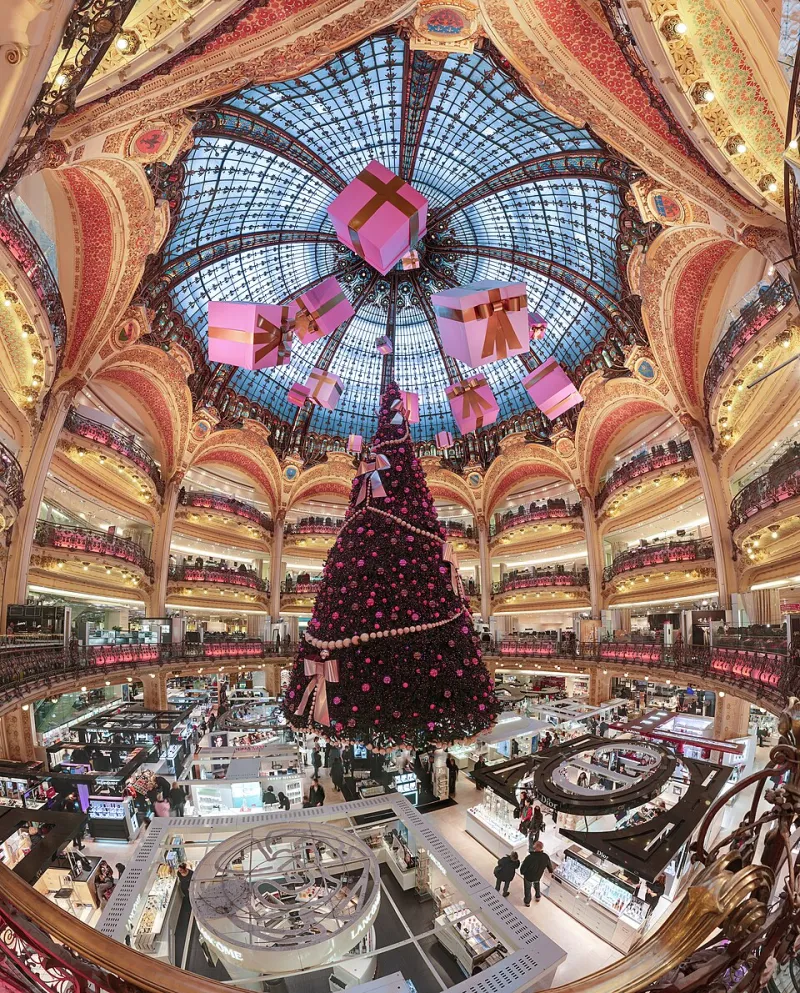
Photo: Benh LIEU SONG (Flickr), CC BY-SA 3.0, via Wikimedia Commons
Christmas decorations are meant to be harmless. But in a UK home with radiators under windows and a tree in the only free corner, they can change how heat moves. For a 2026 seasonal experiment, we took a thermal camera and four simple temperature sensors into a 1930s semi-detached house in the Midlands. The aim was not to spoil the festivities. It was to see what the camera sees once the decorations go up, and to separate genuine cold spots from thermal-imaging theatre.
Start with a baseline, not a bauble
Before the first box was opened, we ran the heating for an hour with doors and windows closed. We captured thermal images of the living room radiator, the bay window, the front door and the corner where the tree would go. We also placed sensors at three heights: floor level, seated height and near the ceiling. This baseline matters because a thermal camera reads surface temperature, not air temperature, and shiny surfaces can mislead it. A strip of dull tape on copper pipes and radiator panels gives a more reliable reading than a bare metallic finish.
The before images were unremarkable, which is exactly what we wanted. A warm plume rose from the radiator, the ceiling was warmer than the floor, and the bay window showed a cool band at the glass. Nothing dramatic. That changed once the decorations arrived.
The tree as a deliberate obstruction
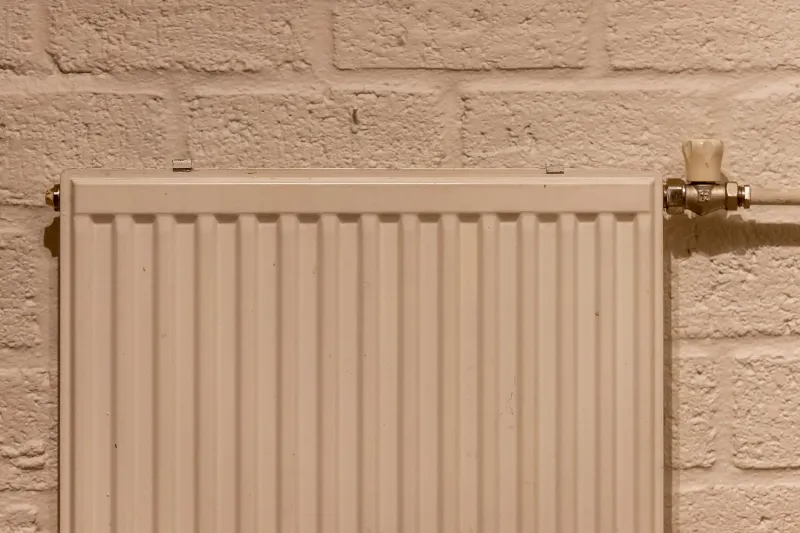
Most UK living rooms place the radiator under the window, and most Christmas trees need a corner or a bay. In our test house, the tree went in front of the radiator because that was the only practical space. The before image showed a clean convection plume rising up the wall. The after image showed a dark rectangle where the tree canopy blocked it. Warm air pooled behind the branches, the wall above the radiator cooled, and the floor in front of the tree stayed noticeably cooler than the rest of the room.
The sensors told a subtler story. The thermostatic radiator valve, buried inside the canopy, was reading warmer air than the room sensor. That can persuade a boiler or zone valve to reduce output while the occupied part of the room is still cool. The lesson is not that Christmas trees are thermally dangerous. It is that a tree can create a local microclimate around a radiator valve and a thermal shadow in the room. Keep the tree at least half a metre from the radiator where possible. If the only sensible position is in front of it, move the TRV to a remote sensor or accept that the room may need a different balancing strategy.
Cards, curtains and the mantelpiece
Cards are lighter than trees, but they are not thermally invisible. A dense arrangement of cards on top of a radiator acts as an insulating blanket. The thermal image showed the radiator panel hotter than before, while the air above it was cooler. That is wasted output. Cards on a windowsill are less problematic, although they can trap moisture against cold glass if the room is humid. A better place is a sideboard or a card string away from heat sources.
Curtains produced one of the clearest before-and-after images. Heavy curtains tucked behind a radiator trap warm air and leave the window cold. The camera showed a warm curtain face and a cold glass pane, with a cool draught curling around the hem. Short curtains or curtain clips that keep fabric above the radiator made a visible difference. Furniture is similar: a sofa pushed hard against a radiator creates a thermal shadow and reduces convection. A gap of 15 to 20 centimetres is usually enough to let air move.
Doors, draughts and festive footfall
Christmas also brings more people through the front door. Our sensors logged a 1.5°C drop in the hall after 20 minutes of visitors arriving and leaving. The thermal camera showed the cold streak along the floor and around the letterbox. A draught excluder and a letterbox flap are cheap fixes, but do not block permanent vents or air bricks. A house needs ventilation, especially when it is full of people, cooking and candles.
Fairy lights were a minor factor. LED sets added almost nothing measurable. Older incandescent sets produced a small warm patch, but not enough to change the room's heat balance. The bigger thermal story was obstruction and air movement, not the lights themselves.
A decorating checklist that respects the thermal map
Keep radiators clear. Do not drape cards, stockings or fabric over them. Check that TRVs are not enclosed by tree branches, gifts or furniture. Keep curtains above or beside radiators rather than tucked behind them. Leave a gap behind sofas and chairs. Do not block vents or air bricks in the name of draught-proofing. After decorating, take a few thermal images and compare them with your baseline. If a corner has become unexpectedly cold, move the obstruction before assuming the heating system is at fault.
What the experiment actually proved
Decorations rarely cause dramatic heat loss on their own. They can, however, distort heat distribution enough to make one room feel cooler while another overheats. The thermal camera is a useful conversation starter; the sensors confirm whether the image reflects a real temperature difference or a reflective surface. In our test house, rearrangement solved most of the problem. The tree stayed, the cards moved, and the radiator was allowed to do its job. That is a festive result worth repeating.