The Empty-Room Assumption: Testing Geofenced Heating Against Thermal Mass
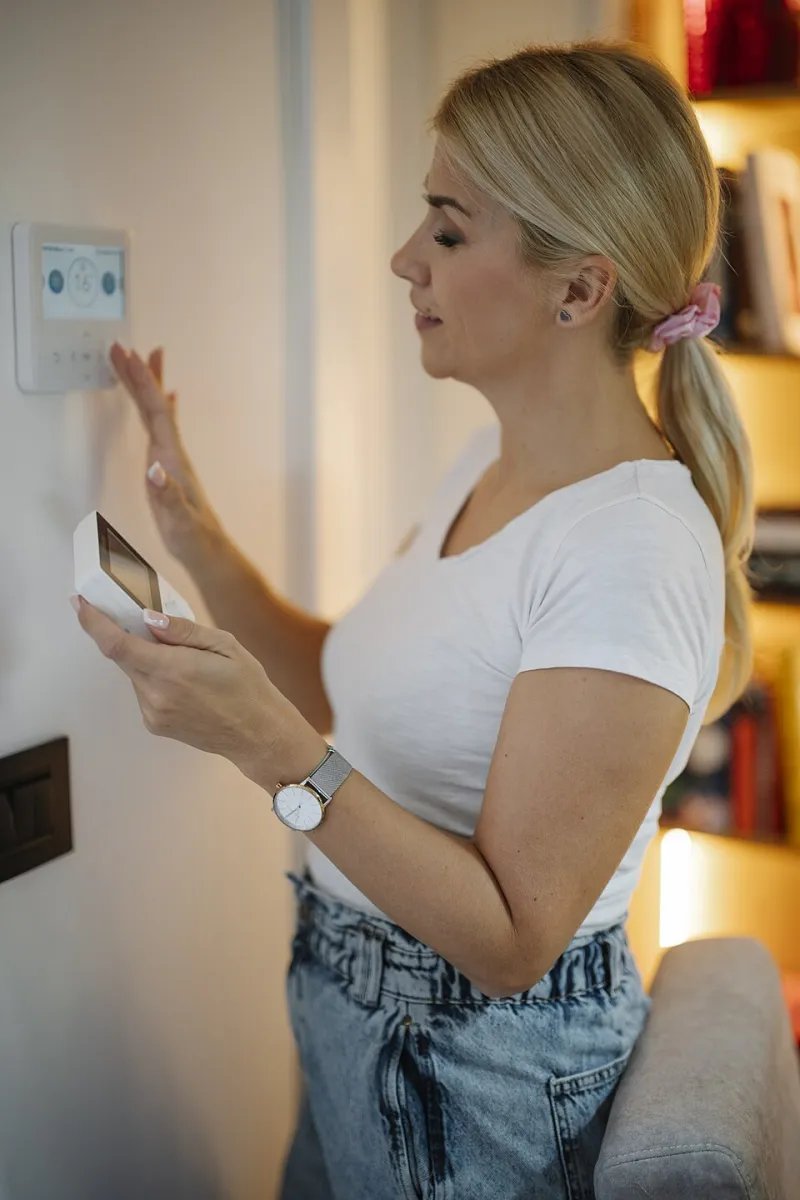
Photo: Shixart1985, CC BY 2.0, via Wikimedia Commons
Geofencing is one of the most seductive features in a smart heating system. It appears to make a simple, logical promise: when the last phone leaves the house, the heating should stop; when someone returns, it should start again. In principle, that is difficult to argue with. In practice, location is a poor proxy for thermal need. A phone crossing a geofence tells the thermostat nothing about fabric performance, indoor temperature, heat-pump inertia or the weather that will meet the house on its return.
The result is not that geofencing is inherently wasteful. It is that the same automation can behave very differently in two UK homes. In a lightly insulated property with a responsive gas boiler, away mode may deliver genuine savings. In a heat-pump property with underfloor heating and high thermal mass, the same setting can produce little saving, a slower recovery and a less efficient return to comfort. The trap is the assumption that an empty room is the same as an empty thermal load.
Why location is not a thermal measurement
A geofence records presence. It does not record the temperature of the walls, the slab or the furniture. It does not know that the house lost 0.4°C in three hours, or that the outdoor temperature has fallen to 3°C with a stiff easterly wind. It cannot see that the heat pump is already running at a low, weather-compensated flow temperature and that a deep setback will ask it to recover at a less efficient point in its operating range.
That matters because heating systems do not respond to occupancy alone. They respond to heat loss, thermal mass and the control strategy built around them. A smart thermostat can learn some of this over time, but geofencing often overrides the learning with a binary instruction: occupied or unoccupied. The more thermally sluggish the building, the less that binary instruction matches reality.
Two buildings, two outcomes
Consider a Victorian terrace with suspended timber floors, partial draught proofing and a modern condensing boiler. It may lose heat quickly. If the last occupant leaves at 09:00 and returns at 17:00, switching the heating off can avoid hours of unnecessary demand. The house will be cold on return, but a well-sized boiler and reasonably responsive radiators can recover the main living rooms in under an hour. The saving is real, provided the return is not so late that comfort is compromised.
Now consider a 2010s property with a heat pump, underfloor heating on the ground floor and a well-insulated envelope. The slab holds heat. Switching the heating off for a four-hour absence may reduce energy use only marginally, because the building was already drifting down slowly. The recovery, however, may take two or three hours and may require higher flow temperatures than steady operation would have done. In that case, a modest setback of 1–2°C is often more sensible than a full switch-off.
The distinction is not about one technology being better than the other. It is about matching the control action to the building’s time constant. Geofencing works best where the thermal response is fast and the absence is long enough to matter. It works least well where the building is slow, the absence is short and the recovery load is inefficient.
A three-week test plan
A household can settle the question with a structured test rather than a guess. The aim is to compare three control strategies over similar conditions, using data the thermostat already holds.
Week one: baseline. Turn geofencing off. Keep the normal schedule. Export or screenshot the thermostat history at the end of each day: setpoint, room temperature, heating demand and, where available, boiler or heat-pump runtime. Record occupancy in a simple calendar, including the times the house is genuinely empty. Note the daily outdoor temperature from a local weather station or the thermostat’s own weather feed.
Week two: setback. Set away mode to reduce the target by 2°C rather than switching the system off. Keep the same schedule and occupancy pattern. Record the same data. Pay attention to recovery time, the indoor temperature on return and any auxiliary heating or high-flow-temperature behaviour.
Week three: switch-off. Set away mode to switch heating off, with frost protection left enabled. Record the same fields. If the weather changes sharply between weeks, compare similar days rather than weekly totals.
For a more robust comparison, normalise energy use by degree days. Subtract the outdoor average from a base temperature of 15.5°C for each day, then divide daily gas or electricity use by that figure. The result is not a laboratory measurement, but it is usually enough to show whether one strategy is consistently different from another.
Reading the results
The numbers should be read alongside comfort and recovery, not instead of them. A house that cools by more than 1.5°C in the first hour and recovers within 30 minutes is a reasonable candidate for switch-off, especially for absences of two hours or more. A house that drifts down by less than 0.5°C over three hours and then takes more than an hour to recover is a better candidate for setback. In that case, switch-off may save little and ask the system to work harder later.
Heat-pump households should be cautious with deep setbacks unless the manufacturer’s controls explicitly support them. A 1–2°C setback, combined with weather compensation, is usually easier to justify than a full off period. Gas-boiler households can consider switch-off for longer absences, but should watch for rapid reheating and rooms that are slow to recover. In both cases, keep frost protection active and avoid letting damp-prone rooms drop into the low teens for long periods.
Configuration notes for UK homes
Use the geofence delay rather than an instant trigger. A minimum away duration of 60–90 minutes prevents short cycling when someone pops out. Require all household phones to be away before away mode starts, and avoid letting geofencing fight a scheduled setback. If smart TRVs are fitted, check that closed rooms are not masking the performance of the main zone. Finally, review the first month of history before trusting the automation. The question is not whether geofencing sounds efficient, but whether this house, this system and this occupancy pattern actually behave that way.