The Room That Reads Warm: Measuring Radiant Comfort Beyond the Thermostat
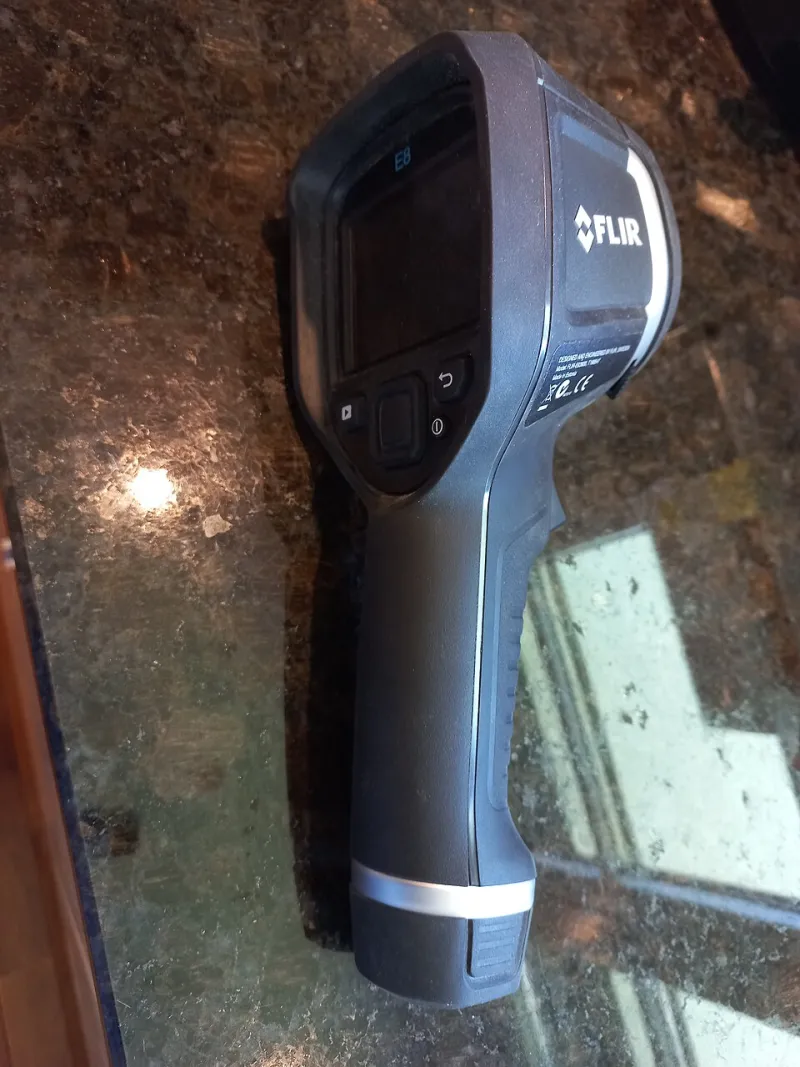
Photo: Asurnipal, CC BY-SA 4.0, via Wikimedia Commons
A familiar winter scene: the smart thermostat reports 21°C, the heating has run as scheduled, and yet the room feels cool. The thermostat is not necessarily faulty. It is answering a narrow question — what is the air temperature near its sensor? — while occupants respond to a more complex thermal environment. In UK homes, particularly older properties with solid walls, sash windows and suspended timber floors, the difference between the number on the display and the sensation in the room can be substantial.
Why 21°C Can Feel Like 18°C
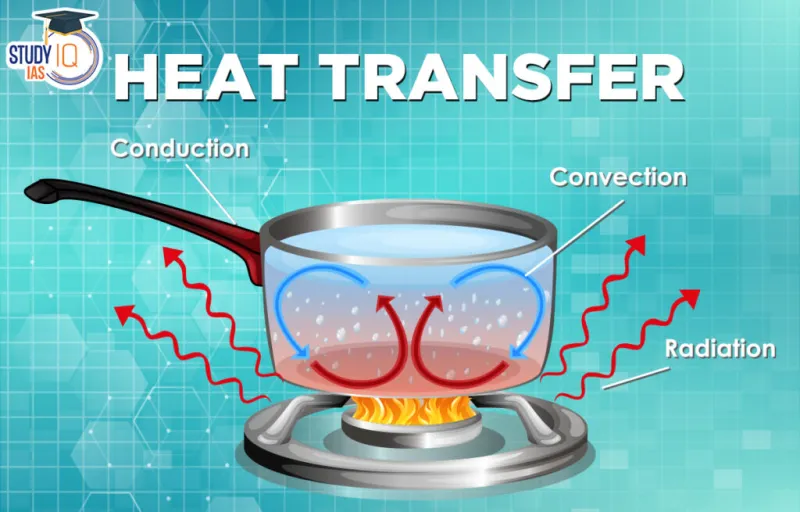
Air temperature is only one component of thermal comfort. The body exchanges heat with surrounding surfaces by radiation as well as with the air by convection. Mean radiant temperature (MRT) is a way of expressing the combined effect of those surfaces: walls, windows, floors, ceilings and furniture. A room with warm air but a large, cold window or an uninsulated wall will feel cooler than the air reading suggests because the body is radiating heat towards those cold surfaces.
Operative temperature combines air temperature and mean radiant temperature into a single practical index. A common approximation is the average of the two. If the air is 21°C but the area-weighted MRT is 16°C, the operative temperature is about 18.5°C. That is a meaningful difference. It explains why raising the thermostat setpoint is not always the right response: the heating system may be delivering warm air while the room’s surfaces remain cold.
Reading Surfaces with a Thermal Camera
A thermal camera does not measure air temperature. It measures infrared radiation and converts that into a surface-temperature estimate, subject to emissivity settings and viewing angle. For building surfaces, an emissivity of around 0.95 is usually appropriate for plaster, brick, timber, carpet and most painted finishes. Shiny metal, glass and reflective surfaces require more care.
A useful domestic survey records surface temperatures at several representative points: the main walls, the window glass and frame, the floor, the ceiling and any large cold surfaces such as a bay window or an external door. These readings can then be weighted by approximate area to produce a rough MRT estimate. For example, if 60% of the surrounding surface area is at 18°C, 10% at 10°C, 20% at 17°C and 10% at 19°C, the weighted average is about 17.1°C. Paired with an air reading of 21°C, that suggests an operative temperature near 19°C.
This is a simplified method, not a laboratory calculation. View factors and surface distribution matter, and a thermal camera is best used comparatively. Nevertheless, it gives homeowners a far more honest picture than the thermostat alone. The camera shows where the room is losing radiant comfort, and the air sensor shows what the heating control is actually responding to.
A Low-Cost Globe Thermometer
A globe thermometer offers another way to estimate radiant conditions. A standard globe is a blackened sphere of about 150 mm diameter with a temperature sensor at its centre. Air movement and radiant exchange bring the globe towards an equilibrium that reflects both air temperature and surrounding surface temperatures. In still air, globe temperature is a reasonable proxy for MRT; where draughts are present, a correction is needed.
For a comparative household reading, a smaller black-painted sphere can be used — a table-tennis ball with a fine thermometer probe inserted through a sealed hole is a common DIY approach. It will respond faster than a standard globe but will not give an absolute reference-grade value. Suspend it at roughly 1.1 metres above the floor, away from direct sunlight, radiators, lamps and external doors, and allow 20 to 30 minutes for stabilisation. Record the globe temperature alongside the air temperature from a separate sensor. If the globe reads several degrees below the air, the room has a radiant deficit that the thermostat cannot see.
Placement, Curtains and Furniture
Radiator and sensor placement matter as much as the control algorithm. A smart thermostat or remote sensor should not sit above a radiator, in direct sun, beside a television, or in a draught from a door or chimney. An internal wall at around 1.2 to 1.5 metres above the floor is a more representative position. Where a thermostat is mounted in a hallway that is warmer or colder than the living room, the heating schedule will be shaped by the wrong room.
Radiators should be unobstructed. Sofas pushed against them, long curtains draped over them and radiator covers all reduce convective output and can trap warm air. Curtains are useful at dusk, especially with thermal or low-e linings, but they should be closed without covering the radiator or blocking the gap between curtain and floor. Rugs over cold suspended floors reduce radiant heat loss from bare feet and can improve perceived comfort without altering the thermostat. Furniture placement should allow air to circulate around external walls rather than sealing cold surfaces behind bulky items.
Interpreting Smart Thermostat Comfort Algorithms
Many smart thermostats now offer comfort features that adjust flow temperature, learn occupancy patterns or apply humidity corrections. Some present a ‘feels like’ temperature. These algorithms can be useful, but most still rely primarily on air temperature at one or more sensors; few directly measure mean radiant temperature. A remote sensor improves spatial representation, but it does not turn an air-temperature control into a radiant-comfort control.
Homeowners should therefore treat the thermostat as a control device, not as a comfort meter. If a room reads 21°C but occupants feel cold, the first step is to investigate surfaces and draughts rather than to raise the setpoint. If the globe or thermal survey shows a low MRT, the effective remedies are fabric improvements, draught exclusion, better radiator output and sensible curtain and furniture arrangements. Raising the air temperature may simply overheat the air while leaving the cold surfaces unchanged.
Comfort is not a single number. It is the result of air temperature, radiant surroundings, humidity, air movement and clothing. A smart heating system can control only part of that picture. Pairing thermal-camera surface readings with a simple globe measurement gives UK homeowners a clearer diagnosis — and a better chance of making a room feel as warm as it claims to be.