Before You Sign Off: The Thermal Evidence a Heat Pump Handover Must Include
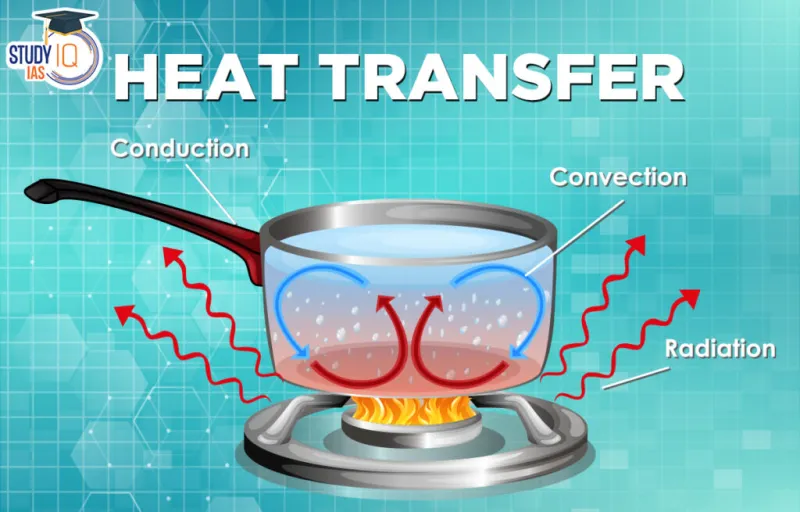
Photo: heat pump commissioning thermal imaging engineer UK home, via s3-ap-south-1.amazonaws.com
An air-source heat pump is only as good as its commissioning. In 2026, with more UK homes making the switch, the difference between a well-handled installation and an expensive disappointment often comes down to evidence. A verbal promise that the system has been ‘set up properly’ is not evidence. A handover folder with measured results, thermal images and a clear as-built record is.
This is a checklist, and it is deliberately opinionated. If you are paying the final invoice, ask for these six thermal checks before you sign anything.
1. A room-by-room heat-loss calculation you can inspect
Demand the calculation, not just the headline kW figure. It should be room by room, with U-values, air-change rates, glazing areas and design temperatures stated. In the UK, the calculation should align with the relevant MCS standards and Building Regulations guidance for your nation. Check that extensions, loft conversions and unusual glazing have been treated individually. If the installer cannot show the assumptions, you cannot tell whether the heat pump is correctly sized.
2. Pre- and post-install thermal images from comparable conditions
Thermal images are only useful if they are comparable. Ask for images taken at similar outdoor temperatures, with the system running in the same mode, and with the camera's emissivity set correctly. Painted radiator panels and pipework should be photographed square-on; shiny components should have reference tape applied. The images should show the before and after state of the same locations — not a random selection of pretty colours.
3. Flow and return temperatures at design conditions
The commissioning sheet should record flow and return temperatures at the outdoor design condition, or as close to it as the season allows. A heat pump that produces a good delta-T on a mild afternoon may behave differently on a cold morning. Ask how the figures were measured, whether contact probes were used, and whether the readings were taken after the system had stabilised. If the installer relies only on the controller's own sensors, ask for an independent check.
4. Delta-T that matches the design
A common design delta-T for UK heat pump systems is around 5 K, but the design figure for your property may differ. What matters is that the measured delta-T at design conditions matches the design intent. A narrow delta-T can point to excess flow, bypass or poor emitter performance; a wide one can suggest restricted flow or undersized pipework. Either way, the number should be explained in the handover notes, not left for you to discover in January.
5. Continuous pipe insulation, proven thermally
Outdoor pipework is where good installations are separated from hurried ones. Ask for thermal images of the full external run, including joints, elbows, wall penetrations and any sections that disappear into insulation. Look for gaps, compressed lagging and cold bridges. UV-resistant lagging matters, but so does continuity. A thermal image taken on a cold day will show exposed sections quickly. If the installer cannot provide it, inspect the run yourself before the scaffolding comes down.
6. Airtightness fixes recorded, not assumed
Heat pumps work best in a fabric-first home. If the installation included draught-proofing, loft hatch sealing, pipe penetration sealing or other airtightness work, ask for photographic evidence and, where relevant, pre- and post-install air permeability test results. Thermal images can show cold draughts around penetrations, but they cannot prove airtightness on their own. The handover folder should record what was done and where.
The folder matters more than the promise
A proper handover folder should include the room-by-room heat-loss calculation, the as-built schematic, commissioning sheets, controller settings, weather compensation curve, warranty documents and a plain-English user guide. It should also include the thermal evidence above. This is not bureaucracy. It is the difference between a system you can maintain and a system you have to guess about.
Before you pay, ask for the folder. Read it. If the numbers are missing, the images are not comparable, or the installer cannot explain the delta-T, do not treat that as a minor administrative gap. It is a commissioning gap. A heat pump is a long-term investment; the handover is your chance to insist that the evidence matches the promise.