Pipe Truth: How UK Homeowners Can Verify What a Combi Boiler Is Really Doing
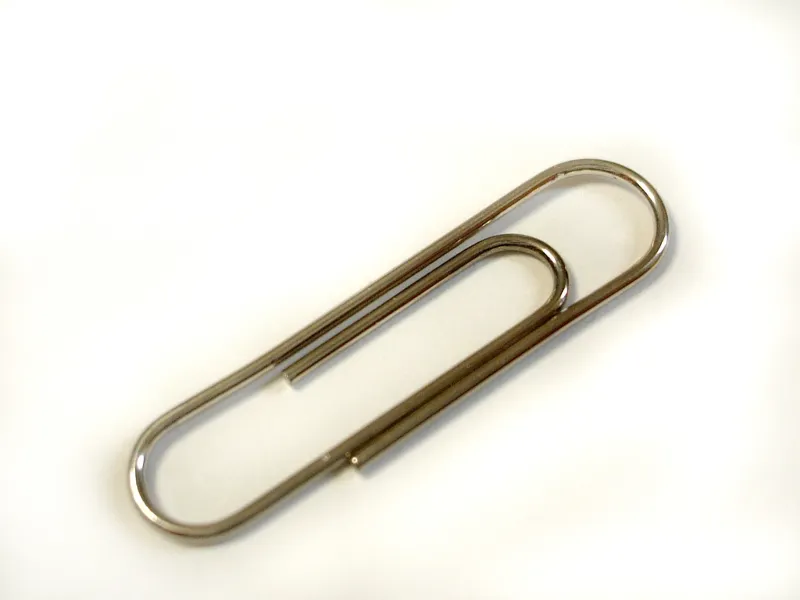
Photo: clip-on pipe thermometers on copper boiler flow and return pipes UK, via clipart-library.com
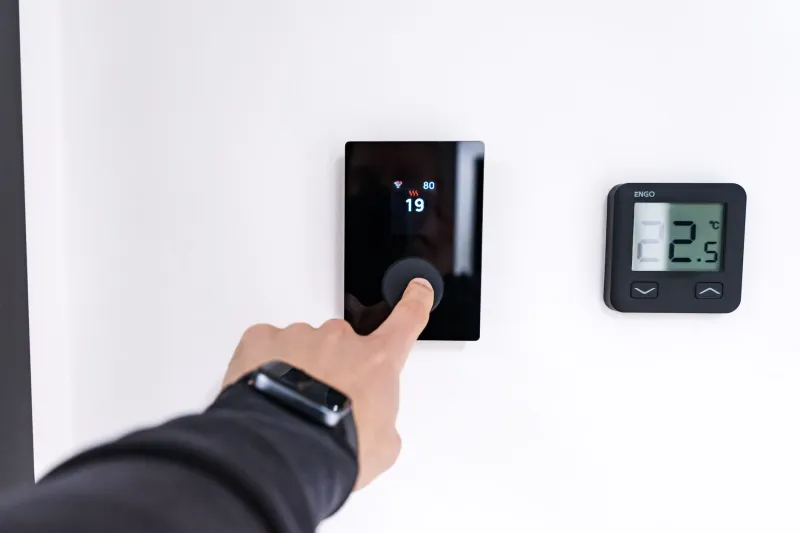
Smart thermostat dashboards have become the default window into home heating. They show room temperatures, schedules, energy use and, increasingly, an efficiency score or a green leaf. For a UK home with a condensing combi boiler and weather compensation, that number can be misleading. It is usually a model of what the system ought to be doing, not a measurement of what the boiler is actually doing. The distinction matters because condensing efficiency depends on return-water temperature, modulation and run time — variables that a room sensor cannot see.
What the app can and cannot know
A thermostat knows the air temperature in one or more rooms, the setpoint, the schedule and whether it is calling for heat. Some models also receive limited data from the boiler, such as flow temperature or modulation level. Most do not measure gas input, flue temperature, condensate volume or the temperature of the water returning to the boiler. Instead, they estimate. A mild day with long, low-temperature runs may be scored less favourably than a cold day with short bursts, even though the former is often better for condensing.
This is not a criticism of smart controls. They are useful for scheduling, zoning and reducing unnecessary run time. The error is treating an app's efficiency percentage as an instrument reading. In a condensing boiler, the useful threshold is the dew point of the flue gases, typically around 55C for natural gas. When return water is below that band, more latent heat is recovered. When it sits above it, the boiler is essentially operating in non-condensing mode, however efficient the app claims it to be.
Three readings that reveal the truth
The first is flow temperature. The second is return temperature. The third is the difference between them, usually called delta T. Clip-on pipe thermometers are inexpensive and adequate for domestic checks. Fit them to the flow and return pipes close to the boiler, on clean copper, and insulate the sensor heads with foam or lagging. Do not rely on a strap sensor placed over paint or on a plastic pipe.
A condensing combi should generally run with a return temperature below about 55C to condense consistently. Many systems are designed for a delta T of 20C at full output, though weather compensation often reduces both flow and return temperatures. If the flow is 70C and the return is 60C, the boiler may be condensing only weakly or not at all. If the flow is 45C and the return is 35C, condensing is likely, but the app may still report a modest score because the boiler has run for longer.
A simple verification routine
Choose a steady heating period, not the first ten minutes after a cold start. Turn off hot-water demand if you have a combi, and let the heating run uninterrupted for at least fifteen minutes. Record flow and return temperatures, the boiler's own display if it has one, and the gas meter reading over a timed interval. A whole-home energy monitor with a pulse sensor or a clamp meter can make this easier, but the meter itself is the reference.
Compare the boiler's stated modulation range with what you observe. A 24 kW combi may modulate down to around 4 kW, but if it is cycling every few minutes at low demand, its average efficiency will be lower than the app suggests. Short cycling also raises wear. If the boiler reaches setpoint quickly, shuts down, and restarts repeatedly, the app may be recording a series of successful calls rather than efficient operation.
Weather compensation deserves particular attention. When a boiler uses an outdoor sensor and a compensation curve, flow temperature falls as the weather warms. That is usually good for condensing, but it can confuse app logic that expects high flow temperatures during a call for heat. Check the boiler controller or the installer's commissioning notes for the curve settings. If the app does not expose them, the boiler display probably does.
When the app is useful and when it is not
Use the app for relative trends: whether a room is slow to warm, whether a schedule causes unnecessary preheating, or whether a zone is calling when it should not. Do not use it as an absolute efficiency meter. A sudden drop in reported efficiency may simply reflect a change in weather, occupancy or schedule. A sustained change in gas use at similar outdoor temperatures is more meaningful.
When to call an engineer
Stop and call a Gas Safe registered engineer if you see a return temperature that stays high despite low flow settings, a delta T that is far outside the expected range, repeated short cycling, pressure loss, error codes, unusual noise, or a condensate pipe that has frozen or is leaking. Do not remove boiler casing or adjust gas valve settings. Pipe thermometers are a diagnostic aid, not a licence to work on the appliance.
The practical conclusion is straightforward. Treat the thermostat app as a control interface and a rough guide. Treat pipe temperatures, gas input and run behaviour as the evidence. In a UK home with a condensing combi, the question is not what the dashboard says about efficiency, but whether the return water is cool enough for the boiler to condense. That is a measurement, not a model.